
Glen Ellyn Lawn Mowing Services
Choose our lawn mowing service for reliable, professional results that keep your yard healthy, beautiful, and hassle-free all season long.
Get a Free QuoteOur Glen Ellyn Landscaping & Yard Care Services
When to Schedule Lawn Mowing in Glen Ellyn, IL – Seasonal Guide
In Glen Ellyn, IL, the timing of your lawn mowing schedule is closely tied to our unique Midwest climate and the specific characteristics of local neighborhoods like Lake Ellyn, Stacy Park, and the tree-lined streets near the Illinois Prairie Path. The growing season typically begins in late April, after the last frost, and extends through October. Early spring mowing should be delayed until the soil has dried out and grass begins active growth, while late fall mowing is best timed just before the first hard frost to keep your lawn healthy through winter.
Local environmental factors play a significant role in determining the optimal mowing schedule. Glen Ellyn’s mix of shaded lots, clay-heavy soils, and periods of high humidity can influence grass growth rates and mowing frequency. Areas with dense tree coverage, such as those near Churchill Woods, may require less frequent mowing due to increased shade, while open, sun-exposed lawns will grow more vigorously. It’s also important to consider municipal guidelines and seasonal drought risks, which can affect when and how often you mow. For more information on local regulations and seasonal updates, visit the Village of Glen Ellyn Official Website.
Local Factors to Consider for Lawn Mowing in Glen Ellyn
- Tree density and shade coverage (e.g., mature oaks in historic districts)
- Soil type and drainage, especially in low-lying areas
- Precipitation patterns and drought advisories
- Humidity and temperature fluctuations throughout the season
- Terrain and slope, particularly near Lake Ellyn and the Prairie Path
- Municipal restrictions on mowing height and weed control
- Proximity to parks or natural preserves, which may influence pest and weed pressure
Benefits of Lawn Mowing in Glen Ellyn
Professional Lawn Care Expertise
Consistent and Reliable Scheduling
Enhanced Curb Appeal
Time and Effort Savings
Healthier, Greener Lawns
Eco-Friendly Landscaping Practices
Glen Ellyn Lawn Mowing Types

Standard Lawn Mowing
-
Mulching Mower Service
-
Bagging Grass Clippings
-
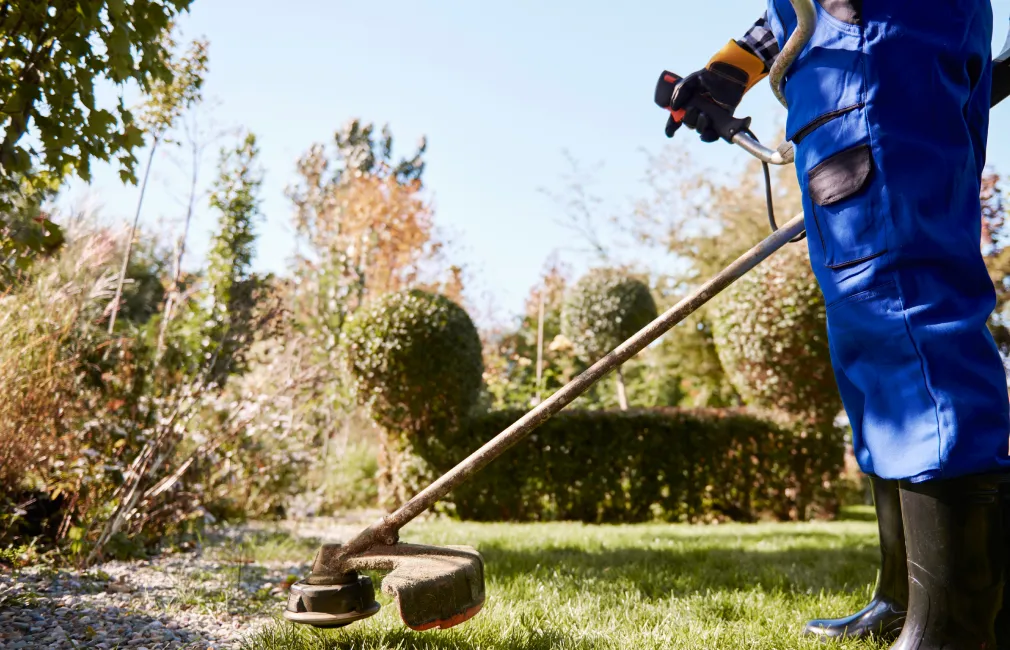
Edging and Trimming
-
Seasonal Clean-Up Mowing
-
Commercial Property Mowing
-
Custom Pattern Mowing
Our Lawn Mowing Process
Site Evaluation
Lawn Preparation
Mowing Execution
Edging and Trimming
Cleanup
Why Choose Glen Ellyn Landscape Services
-
Glen Ellyn Homeowners Trust Us
-
Expert Lawn Maintenance
-
Reliable Seasonal Cleanup
-
Professional Team
-
Competitive Pricing
-
Satisfaction Guarantee
-
Personalized Service
Contact Glen Ellyn’s Department of Public Works for Grass Clipping Management & Municipal Composting Programs
Glen Ellyn’s Department of Public Works oversees comprehensive grass clipping management, promoting grasscycling as the preferred method to return 25% of a lawn’s annual nitrogen needs and reduce fertilizer use by 25%. Seasonal yard waste collection runs from April through November, requiring paper bags or rigid containers—plastic bags are strictly prohibited. The Village’s composting program accepts grass clippings, with finished compost and mulch available for residents. These initiatives support Glen Ellyn’s waste reduction and sustainability goals, and strict prohibition of clipping disposal in streets or storm drains protects the Lake Michigan watershed in compliance with the Illinois Environmental Protection Act (415 ILCS 5).
Glen Ellyn Department of Public Works
535 Duane Street, Glen Ellyn, IL 60137
Phone: (630) 469-6756
Official Website: Public Works Department
Professional Mowing Standards & Turf Health Principles for Glen Ellyn’s Heavy Clay Soils
Glen Ellyn’s heavy clay soils, as identified by the USDA Web Soil Survey, require specialized mowing practices to maintain healthy turf. Adhering to the One-Third Rule—never removing more than one-third of the grass blade in a single mowing—prevents stress and supports root health. Species-specific mowing heights are essential: Kentucky bluegrass (2.5-3.5 inches), perennial ryegrass (2-3 inches), turf-type tall fescue (3-4 inches), and fine fescue (2.5-3.5 inches). Equipment must be maintained with blades sharpened every 20-25 hours of use. Regular turf health assessments should monitor for grubs, billbugs, fungal diseases, and drought stress, with guidance from University of Illinois Extension.
Glen Ellyn Environmental Commission Guidelines for Mowing Near Wetlands & Protected Areas
The Glen Ellyn Environmental Commission provides oversight for mowing near sensitive areas, requiring buffer zones of 10-25 feet from wetlands and streams, and establishing no-mow zones where necessary. Seasonal restrictions protect wildlife during the March-August breeding season, and mowing heights of 3-4 inches on slopes help control erosion, especially on clay soils. Habitat integration is encouraged through selective mowing, supporting prairie restoration and pollinator gardens. Coordination with the DuPage County Forest Preserve District ensures compliance with regional conservation goals and enhances biodiversity in Glen Ellyn’s public and private landscapes.
Glen Ellyn Environmental Commission
535 Duane Street, Glen Ellyn, IL 60137
Phone: (630) 469-5000
Official Website: Environmental Commission
Glen Ellyn Municipal Ordinances for Mowing Equipment Operation & Noise Control
Glen Ellyn enforces municipal ordinances regulating mowing equipment operation, with permitted hours typically 7:00 AM–9:00 PM weekdays and 8:00 AM–9:00 PM Saturdays; Sunday and holiday restrictions may vary and should be verified locally. Noise ordinances may specify decibel limits, and commercial services must adhere to additional standards. Community consideration is required, including advance neighbor notification for extended operations and coordination with municipal events. Enforcement is managed through the Police Department and Code Enforcement, with penalties for violations and a formal complaint process.
Glen Ellyn Police Department
65 S Park Blvd, Glen Ellyn, IL 60137
Phone: (630) 469-1187
Official Website: Police Department
Seasonal Mowing Calendar & Weather Coordination for Glen Ellyn’s Climate Zone 5a-6a
Glen Ellyn’s climate, classified as USDA Hardiness Zone 5a-6a, requires seasonally adjusted mowing practices. Early spring (April-May) begins with gradual height reduction as soil temperatures reach 50°F. Peak growing season (May-June) calls for weekly mowing at 3-4 inches during cool-season grass growth. Summer (July-August) requires increased mowing heights (3.5-4 inches) for drought tolerance and reduced frequency during stress periods. Fall (September-October) involves regular mowing and a final cut at a slightly lower height for winter preparation. Avoid mowing saturated clay soils, especially after spring rains or during heat waves above 90°F, as recommended by the National Weather Service Chicago.
Stormwater Management & MS4 Compliance: Keeping Clippings Out of Glen Ellyn’s Storm Drains
Glen Ellyn’s MS4 permit under the Clean Water Act mandates strict best management practices to protect the Lake Michigan watershed. Grass clippings must never be left on streets or allowed to enter storm drains. Mulch-mowing returns nutrients to the turf, while immediate cleanup of clippings from impervious surfaces is required. Equipment wash water must be managed on permeable surfaces, away from storm drains, using biodegradable products. These practices reduce nutrient runoff by 30-40%, especially important for heavy clay soils, and support Glen Ellyn’s green infrastructure and water quality goals in coordination with the Illinois EPA Water Quality & Watershed Management.
Equipment Standards, Safety Protocols & Professional Certification Requirements
Professional mowing in Glen Ellyn requires commercial-grade equipment with safety features such as blade guards, roll-over protection, and emergency shut-offs. Operators must use personal protective equipment: safety glasses, hearing protection, steel-toed boots, long pants, and high-visibility clothing, especially near busy roads. Certification standards include equipment operator training, first aid certification, and commercial driver’s licenses for trailer operation. Equipment maintenance protocols require blade sharpening every 20-25 hours, regular engine checks, and documentation of all maintenance activities. The JULIE call-before-you-dig system is essential for underground utility awareness, ensuring safe and compliant operations in all Glen Ellyn neighborhoods.
Integrated Turf Management & Environmental Benefits of Proper Mowing Practices
Integrated turf management in Glen Ellyn emphasizes regular mowing at proper heights (3-4 inches) to promote dense, healthy turf that naturally suppresses weeds and improves drought tolerance. Grasscycling returns 25% of annual nitrogen needs, reducing fertilizer use and enhancing soil health—especially valuable for heavy clay soils. Monitoring for Illinois-specific pests and diseases supports integrated pest management, while proper mowing and equipment timing reduce soil compaction and improve infiltration. Environmental benefits include carbon sequestration, 30-40% stormwater runoff reduction, improved air quality, and urban heat island mitigation, all supporting Glen Ellyn’s climate action and sustainability initiatives.
What Neighborhoods Do We Serve Throughout Glen Ellyn, IL?
Glen Ellyn’s neighborhoods present diverse mowing challenges. Historic Downtown features small lots and mature trees, requiring precision mowing and careful navigation around obstacles. Lake Ellyn and surrounding areas have slopes and proximity to wetlands, demanding buffer zone management and erosion control. The Arboretum Estates and Ben Franklin neighborhoods include larger lots and prairie restoration areas, supporting pollinator habitats and selective mowing. South Glen Ellyn’s commuter corridors require traffic coordination and adherence to noise ordinances. Newer subdivisions like Baker Hill have modern infrastructure but may require special attention to clay soil rutting prevention. Each area’s unique property characteristics, environmental sensitivities, and community standards guide tailored mowing practices.
Glen Ellyn Municipal Resources for Sustainable Lawn Care & Community Programs
Residents and professionals can access a range of municipal resources for sustainable lawn care. The University of Illinois Extension offers turf health guidance tailored to Illinois conditions. The Glen Ellyn Parks and Recreation Department and Park District coordinate public space maintenance and offer volunteer opportunities, educational workshops, and Tree City USA events. Community involvement is encouraged through sustainability programs and environmental initiatives, including partnerships with the DuPage County Forest Preserve District for educational outreach. These resources support Glen Ellyn’s commitment to environmental stewardship, community enhancement, and sustainable landscape management.
Glen Ellyn Parks and Recreation Department
185 Spring Avenue, Glen Ellyn, IL 60137
Phone: (630) 858-2462
Official Website: Parks and Recreation
Glen Ellyn Community Development Department
535 Duane Street, Glen Ellyn, IL 60137
Phone: (630) 547-5250
Official Website: Community Development Department